 Crete Island Guide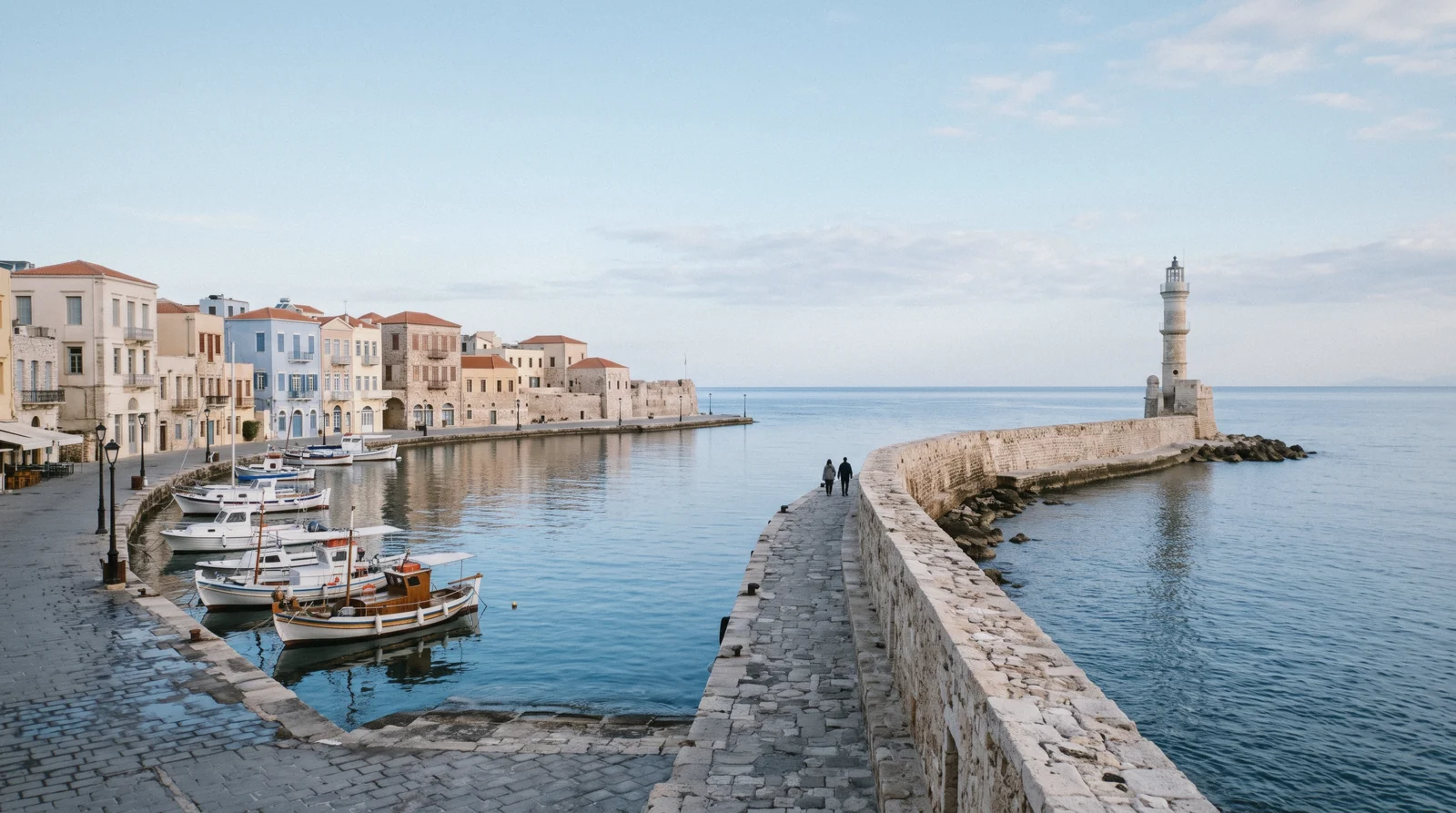
Chania old town wraps a working Venetian harbour and a tangle of narrow lanes built over the Minoan settlement of Kydonia, and it remains, alongside Rethymno, one of the two best-preserved historic centres on Crete. This guide to Chania old town, part of our Crete, Greece travel guide, covers the harbour and its lighthouse, the quieter quarters most visitors walk past, what actually costs money here, and how long to realistically give it.
Quick answer Chania old town in one minute
Chania old town is the historic core around the city's Venetian harbour, built over the Minoan settlement of Kydonia and shaped later by Venetian, Ottoman and Egyptian rule, each leaving a visible mark. Walking it costs nothing, from the harbour front to the lighthouse at its mouth and the quieter lanes of Splantzia and Evraiki behind. The Archaeological Museum of Chania charges $16.84 (€15), while the Maritime Museum in the Firka Fortress has no officially published fee or hours. Most visitors give it half a day for the harbour and main sights, a full day if the museums and backstreets both make the list.
Key takeaways
- Start at the harbour, then walk inland. The lighthouse and the Firkas Fortress frame the water, while Splantzia and Evraiki hold the quieter history.
- Go deeper with a guide: a local-led walking tour with a raki and cheese tasting covers the lanes most visitors miss in under three hours.
- Eat while you walk: a food tasting tour threads the old town's bakeries and tavernas between the harbour and the market.
- Looking for a wider base comparison? Chania or Heraklion covers which city suits your trip.
Key facts
Opening hours
| The old town and harbour | Always open, no gate–Not applicable |
|---|---|
| Archaeological Museum of Chania (Chalepa) | Not fully stated, check locally–Not fully stated, check locally |
Closed None for the old town itself. Individual museums set their own closed days, not captured in full for every site in this pack.
Admission
- Adult
- Walking the harbour, the lighthouse and the lanes is free. The Archaeological Museum of Chania (Chalepa) charges $16.84 (€15) full price. The Chania Maritime Museum in Firka Fortress has no officially published fee, so check locally
- Reduced
- Archaeological Museum of Chania reduced rate: $8.98 (€8)
Planning it
- Time needed
- Not stated by an authority. Our routing: half a day for the harbour and main lanes, a full day with both museums and the quieter quarters
- Book ahead
- Optional — walk-up usually fine
- Address
- Old Town, Chania, Crete, around the Venetian harbour
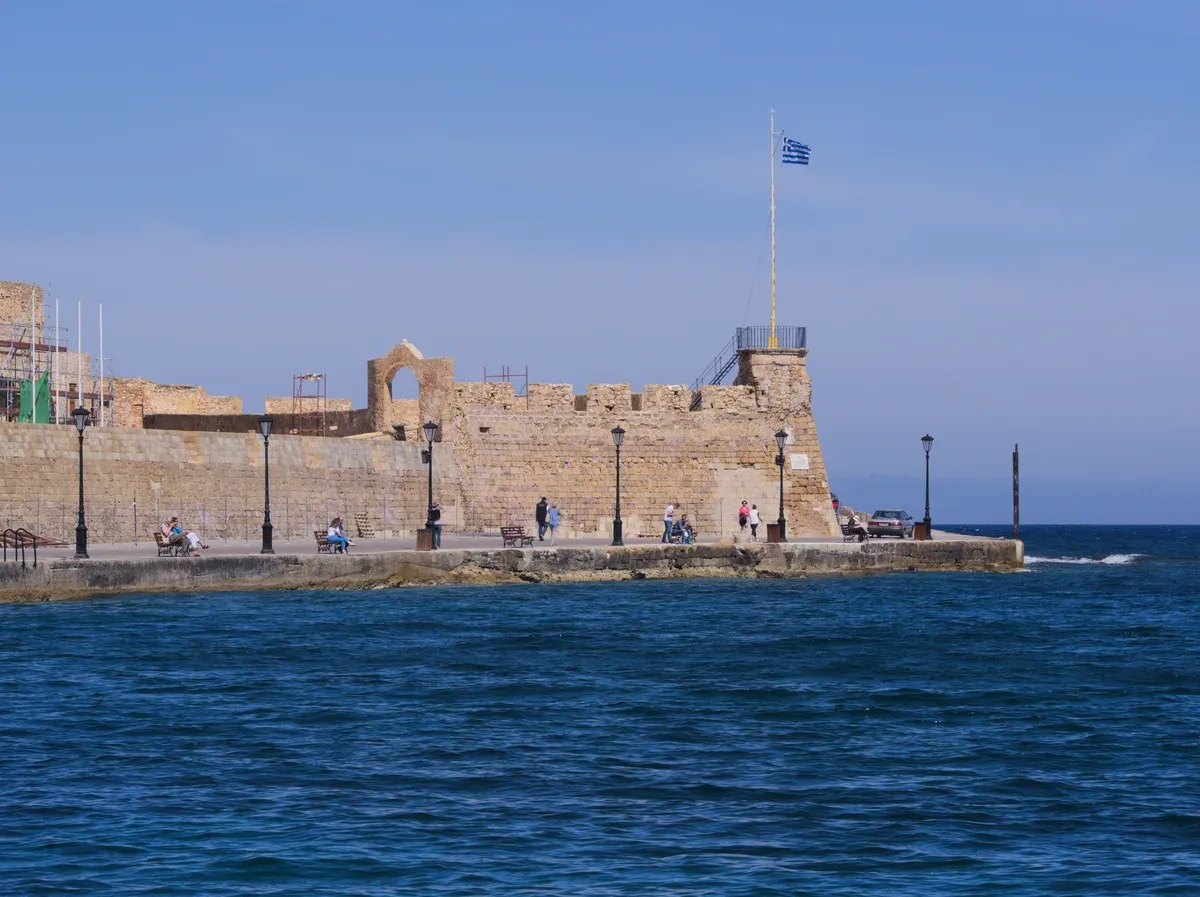
Photo: C messier, CC BY-SA 4.0, via Wikimedia Commons
Seeing Chania Old Town With a Guide
Walking the old town costs nothing, so neither card here is an entry ticket. Both are guided experiences that add context and food to a walk you could otherwise do alone, priced in US dollars as each platform lists them.
Do you want the history explained as you walk, or a food-first route through the lanes?
| Option | Price | Includes | Best For | Book |
|---|---|---|---|---|
| Local-led old town walkHistory-first visitors | From $108.94 | 3-hour walk with a local guide, raki and cheese tasting, Greek coffee | First-time visitors wanting the history and layout explained | Check Availability |
| Walking food tasting tourFood-first visitors | From $103.21 | A route through bakeries, cheese shops and tavernas between the harbour and the market | Visitors who want to eat their way through the old town | Check Availability |
Prices are each platform's own listed figure in US dollars. Walking the old town independently, including the harbour and the lighthouse, costs nothing. Figures current for Q4 2026.
Explore Chania Old Town With a Guide
Two ways to go deeper than a self-guided walk, one built around history and one around food. Full details and meeting points are on each listing's own page.
 from $108.94
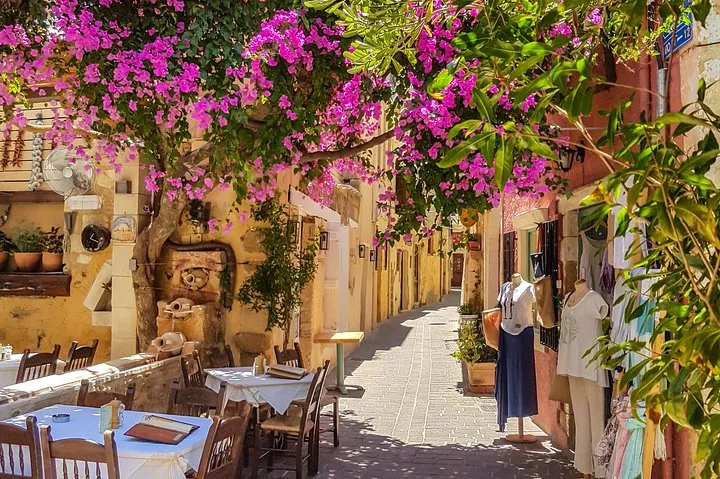
Explore Chania's Old Town through the eyes of a local
A local-led walk through the lanes of Chania old town behind the Venetian harbour.
Check Availability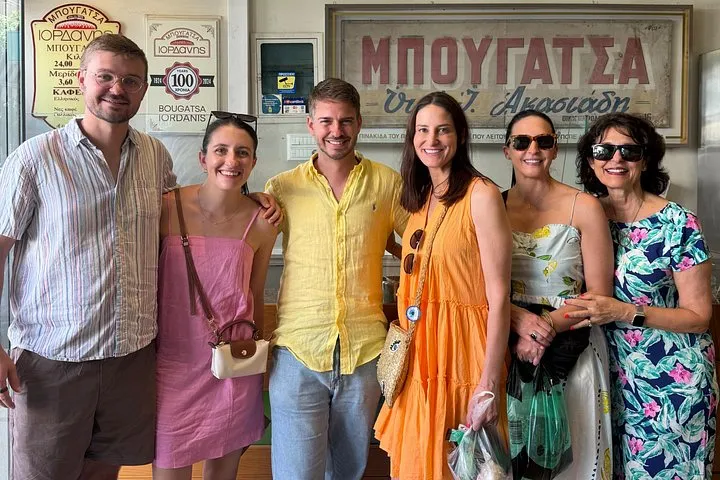 from $103.21
Walking “Food tasting tour” in the town of Chania
A walking food-tasting tour through Chania old town, the bakeries, cheese shops and tavernas between the harbour and the market.
Check AvailabilityPrices, ratings and details are the platform's own. dollar figures are the listed prices — the platform bills in your account's currency.
What Chania Old Town Is: Kydonia to the Venetians
The old town's layered history explains why it looks the way it does, a Venetian shell over a much older settlement, finished off by Ottoman and Egyptian additions.
Built on Minoan Kydonia
Chania sits on the ruins of Kydonia, one of the significant Minoan settlements on Crete, per the Region of Crete's own tourism portal. Little of that Bronze Age city is visible to a casual walker today, buried under centuries of later building, but its presence is why Chania counts among the island's oldest continuously inhabited urban sites, not just a Venetian-era creation.
The Venetian Harbour
The harbour and its surrounding walls are the clearest surviving layer, built during the long period of Venetian rule over Crete that ended in this region in the 1640s. The harbour's dry docks, the Venetian shipyards known as the Neoria, still stand along the waterfront, originally built to repair and shelter galleys, a rare surviving example of this kind of Venetian naval infrastructure.
Ottoman and Egyptian Additions
Ottoman rule followed Venetian Crete, and later a period of Egyptian administration in the 19th century left its own mark, including the harbour lighthouse's rebuilding, discussed in its own section below. The result is a townscape where Venetian stonework, Ottoman-era buildings and later additions sit within a few steps of each other, which is part of why Chania's old town reads as denser and more layered than many other Mediterranean harbour towns.
Kydonia and general historical framing from incrediblecrete.gr, the Region of Crete's official tourism portal.
The Harbour, the Lighthouse and the Shipyards
The waterfront is the single image most visitors associate with Chania, and it rewards a slow walk rather than a quick photo stop.
The Lighthouse
The lighthouse standing at the end of the harbour's curving breakwater is one of the most recognisable landmarks on Crete, its base reportedly Venetian in origin and its current minaret-like upper structure a later Egyptian-era rebuilding from the 19th century, during the period of Egyptian administration over the region. Reaching it means a walk out along the breakwater itself, with open sea on one side and the harbour's pastel waterfront on the other.
Firkas Fortress
Firkas Fortress guards the harbour entrance from the opposite side to the lighthouse, a squat Venetian defensive structure that later housed the Chania Maritime Museum. It is also the site where, in 1913, the Greek flag was formally raised over Crete, marking the island's union with Greece, a detail that makes the fortress as much a modern national landmark as a Venetian relic.
The Venetian Shipyards (Neoria)
Along the inner side of the harbour, the Venetian Neoria, vaulted stone dry docks, once sheltered and repaired the Republic's galleys. Several bays survive today, repurposed for exhibitions and events rather than their original naval function, and they remain one of the clearest physical reminders of Chania's role as a working Venetian naval base rather than just a trading port.
Harbour and fortress history from incrediblecrete.gr and standard accounts of Venetian and Ottoman-era Chania.
The Quarters: Topanas, Splantzia and Evraiki
Most visitors never leave the harbour front, which means the old town's three historic quarters stay noticeably quieter even a few minutes' walk inland.
Topanas
Topanas is the quarter immediately behind the harbour, built up during the Venetian period and named for the Ottoman-era cannon foundry (top-hane) that once stood here. Today it holds the bulk of the old town's boutique hotels, restored mansions and the densest concentration of shops and cafes, making it the obvious starting point for a first walk.
Splantzia
Splantzia, the old Ottoman Turkish quarter east of the harbour, centres on a quiet square and the church of Agios Nikolaos, unusual for carrying both a minaret and a bell tower side by side, a direct physical trace of the building's history as both a mosque and a church under different rulers. The quarter's narrower, less restored lanes give a different texture from Topanas, with fewer shops and more everyday Chania life visible.
Evraiki
Evraiki, the old Jewish quarter, sits closer to the harbour's southern edge and takes its name from the Jewish community that lived here for centuries before the Holocaust devastated it in the 1940s. The Etz Hayyim Synagogue, restored and still active, stands as the quarter's most significant surviving landmark and is generally open to respectful visitors outside religious services.
The Archaeological Museum and the Maritime Museum
Two museums cover very different parts of Chania's story, and only one has a published, confirmed price.
Archaeological Museum of Chania
The Archaeological Museum of Chania, housed in Chalepa rather than inside the old town itself, charges $16.84 (€15) full price and $8.98 (€8) reduced, per the Ministry of Culture's own pricing. It covers the wider archaeological record of the Chania region, including Minoan Kydonia, a useful complement to walking the old town's visible but largely undated stonework.
Chania Maritime Museum
Housed inside Firkas Fortress at the harbour's edge, the Chania Maritime Museum covers the region's naval and maritime history. We could not confirm its current entrance fee or opening hours on an official source, so check locally or at the fortress gate rather than relying on a figure here.
The Venizelos Museum
In the nearby Chalepa district, the family home of statesman Eleftherios Venizelos, a central figure in modern Greek history, now operates as a museum, with his tomb standing nearby on a hill overlooking the city. Both sit a short drive or a longer walk from the old town's harbour core, worth the detour for visitors interested in Crete's 20th-century political history rather than only its Venetian past.
Archaeological Museum pricing from the Ministry of Culture's Chania museum page. Venizelos museum and tomb location from incrediblecrete.gr.
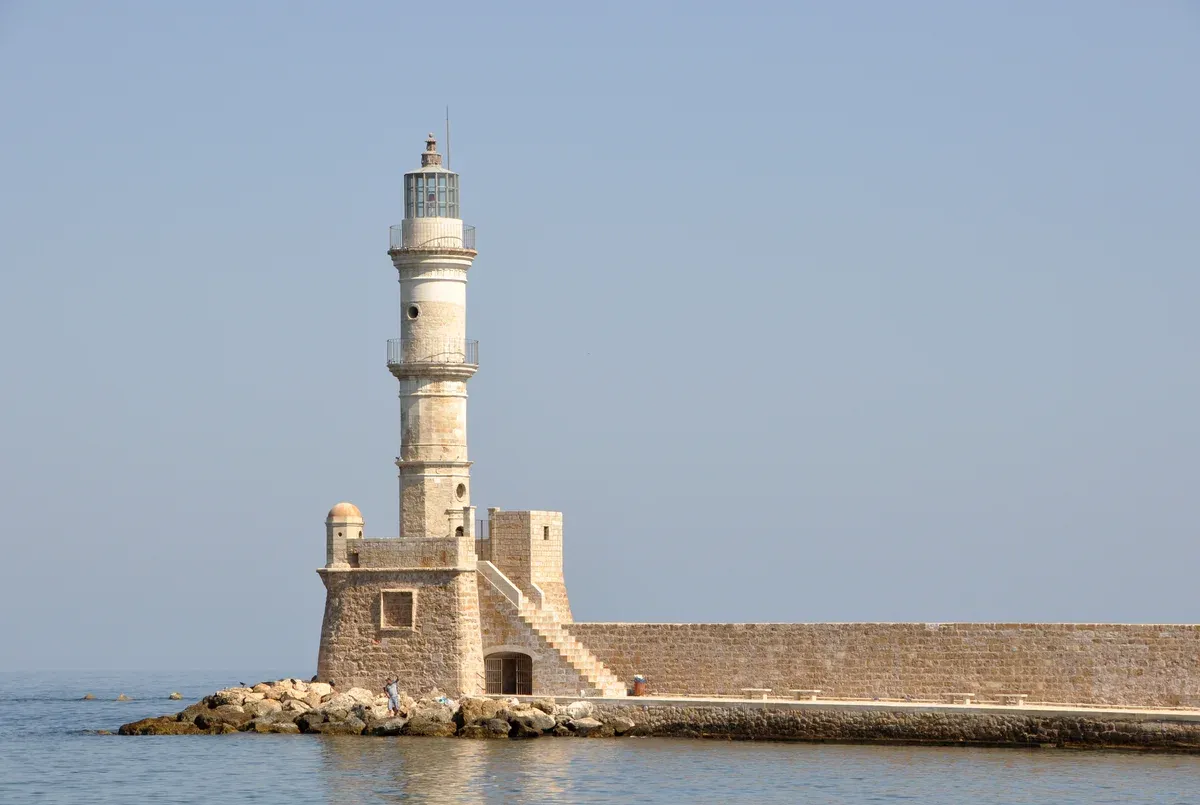
Photo: Marc Ryckaert (MJJR), CC BY 3.0, via Wikimedia Commons
Chania Old Town in Dated Lines
A short chronology built from the Region of Crete's own tourism portal and standard accounts of the city's layered history.
-
Minoan era
Kydonia
Chania is built over the Minoan settlement of Kydonia, one of Crete's significant Bronze Age centres.
-
13th-17th century
Venetian Rule
Venice fortifies the harbour, builds the Neoria shipyards and shapes the street plan still visible today.
-
1645
Ottoman Conquest
Chania falls to the Ottomans, who add their own buildings, including the mosque that became the church of Agios Nikolaos in Splantzia.
-
19th century
Egyptian Administration
A period of Egyptian administration over the region leaves its mark, including the harbour lighthouse's rebuilding.
-
1913
Union With Greece
The Greek flag is formally raised at Firkas Fortress, marking Crete's union with Greece.
-
1940s
Wartime Devastation
The Evraiki quarter's Jewish community, long established in the old town, is devastated during the Second World War.
-
today
A Restored Historic Centre
The old town stands as one of Crete's two best-preserved historic urban cores, alongside Rethymno's Fortezza district.
Sources: incrediblecrete.gr, the Region of Crete's official tourism portal, and standard accounts of Venetian, Ottoman and modern Cretan history.
Dos and Don'ts in Chania Old Town
Small habits that separate a good old-town visit from a crowded, overpriced one.
Do
- Start at the harbour at the lighthouse end, then work inland toward Splantzia and Evraiki for the quieter, less touristy lanes.
- Visit Agios Nikolaos church in Splantzia to see its unusual minaret-and-bell-tower combination up close.
- Book a local-led walk if you want the Venetian, Ottoman and Egyptian layers explained rather than guessed at.
- Eat a street back from the harbour front rather than directly on it, where prices and quality both shift noticeably.
- Visit the Venetian Neoria shipyards along the inner harbour, often overlooked in favour of the lighthouse photo.
Don't
- Don't judge the whole old town by the harbour front alone. Splantzia and Evraiki show a different, quieter side within a few minutes' walk.
- Don't expect a published fee or hours for the Maritime Museum. Confirm locally rather than relying on an old figure online.
- Don't skip the Venizelos museum and tomb in Chalepa if 20th-century Greek history interests you. It sits a short distance from the old town core.
- Don't walk the lighthouse breakwater in rough seas. It has limited protection from waves at its outer end.
- Don't assume every harbour-front restaurant represents Chania's food scene. The food tasting tour routes deliberately away from the busiest tables.
Five Things Most Visitors Do Not Know
Quick, sourced facts for the walk back from the harbour.
- Chania is built directly over Kydonia, a significant Minoan settlement, making the city far older than its visible Venetian stonework suggests (incrediblecrete.gr, the Region of Crete's official tourism portal).
- The church of Agios Nikolaos in Splantzia carries both a minaret and a bell tower side by side, a direct physical record of its history as both a mosque and a church.
- The Greek flag was formally raised at Firkas Fortress in 1913, marking Crete's union with Greece, making the fortress a modern national landmark as much as a Venetian one.
- The Venetian Neoria, the old dry-dock shipyards along the inner harbour, still stand and are repurposed for exhibitions rather than demolished or built over.
- Novelist Nikos Kazantzakis is buried on the Martinengo bastion of Heraklion's walls rather than in Chania, a detail often confused between Crete's two largest cities (incrediblecrete.gr).
Chania Old Town on the Map
The harbour anchors the old town, with the three historic quarters fanning out behind it.
- 1 Chania LighthouseThe Egyptian-rebuilt lighthouse at the harbour mouth, reached along the breakwater.
- 2 Firkas FortressVenetian fortress and the site of the 1913 flag-raising, also home to the Maritime Museum.
- 3 Splantzia and Agios NikolaosThe old Ottoman quarter and its church with both a minaret and a bell tower.
- 4 Evraiki and Etz Hayyim SynagogueThe old Jewish quarter, the restored synagogue generally open to respectful visitors.
- 5 ChaniaThe wider city around the old town.
Numbers match the pins on the map.
Near Chania Old Town
Three pages that extend a Chania visit beyond the harbour.
Seitan Limania
A dramatic turquoise cove on the Akrotiri peninsula, reached by a steep flight of steps.
Short drive northeast Check info & availabilityChania
Where to stay, eat and base yourself for a Chania trip beyond the old town itself.
The surrounding city Check info & availabilityWhere to Eat in Crete
Cretan dishes and where to find them, including several Chania-area picks.
Island-wide guide Check info & availabilityChania Old Town Questions
Is Chania Old Town worth visiting?
Yes, for most visitors to Crete. The combination of the Venetian harbour, the lighthouse and the layered Ottoman and Jewish quarters behind it makes Chania one of the two best-preserved historic centres on the island, alongside Rethymno. Walking it costs nothing, which lowers the bar for a worthwhile visit even further.
What not to miss in Chania?
The harbour and lighthouse are the obvious start, but Firkas Fortress, the Venetian Neoria shipyards, and the quieter Splantzia and Evraiki quarters reward the visitors who walk a few streets inland rather than staying on the harbour front.
How long does it take to explore Chania Old Town?
Our routing is half a day for the harbour and main lanes, a full day if you add the Archaeological Museum, the Venizelos museum in Chalepa, and a slower walk through Splantzia and Evraiki. No official source publishes a recommended visit length.
Is Chania a tourist trap?
The immediate harbour front, lined with restaurants charging a premium for the view, can feel that way. A short walk inland into Splantzia or Evraiki, or a local-led walking tour, shows a quieter, less commercialised side of the same old town.
How much does it cost to visit Chania Old Town?
Walking the old town, the harbour and the lighthouse is free. The Archaeological Museum of Chania charges $16.84 (€15) full price, and a guided walking or food tour runs from $103.21.
What is the Venetian harbour in Chania known for?
Its pastel waterfront buildings, the breakwater lighthouse at its mouth, and the surviving Venetian Neoria dry docks, a combination that makes it one of the most photographed harbour fronts in Greece.
Where Chania Old Town Fits in a Trip
The old town works equally well as a half-day stop or as the base for several days exploring west Crete.
Travellers basing their whole trip in Chania can treat the old town as a repeat evening destination rather than a single checklist stop, returning for dinner after day trips to Balos, Elafonisi or Seitan Limania. Visitors passing through on a shorter west-Crete loop should still give the harbour and at least one of the quieter quarters a full morning or evening rather than a rushed hour. If you are deciding between basing yourself in Chania or Heraklion for your trip, our comparison guide weighs up both.
Chania Old Town on Video
Chania Greece Travel Guide: 12 Best Things to Do in Chania, Crete
A broad overview of the old town's main sights and how they fit together.
Video: Before You Go48 Hours in Chania, Crete: City Guide, Old Town Walkthrough and History
A longer walkthrough covering the harbour, the quarters and the city's history.
Video: Ben RobsonChania Crete Cruise Port Guide: Old Town Highlights
A compact look at the harbour, lighthouse and old town for a short visit.
Video: Adventour BeginsWe may earn a commission if you book through one of our links, at no extra cost to you. Full affiliate disclosure