 Crete Island Guide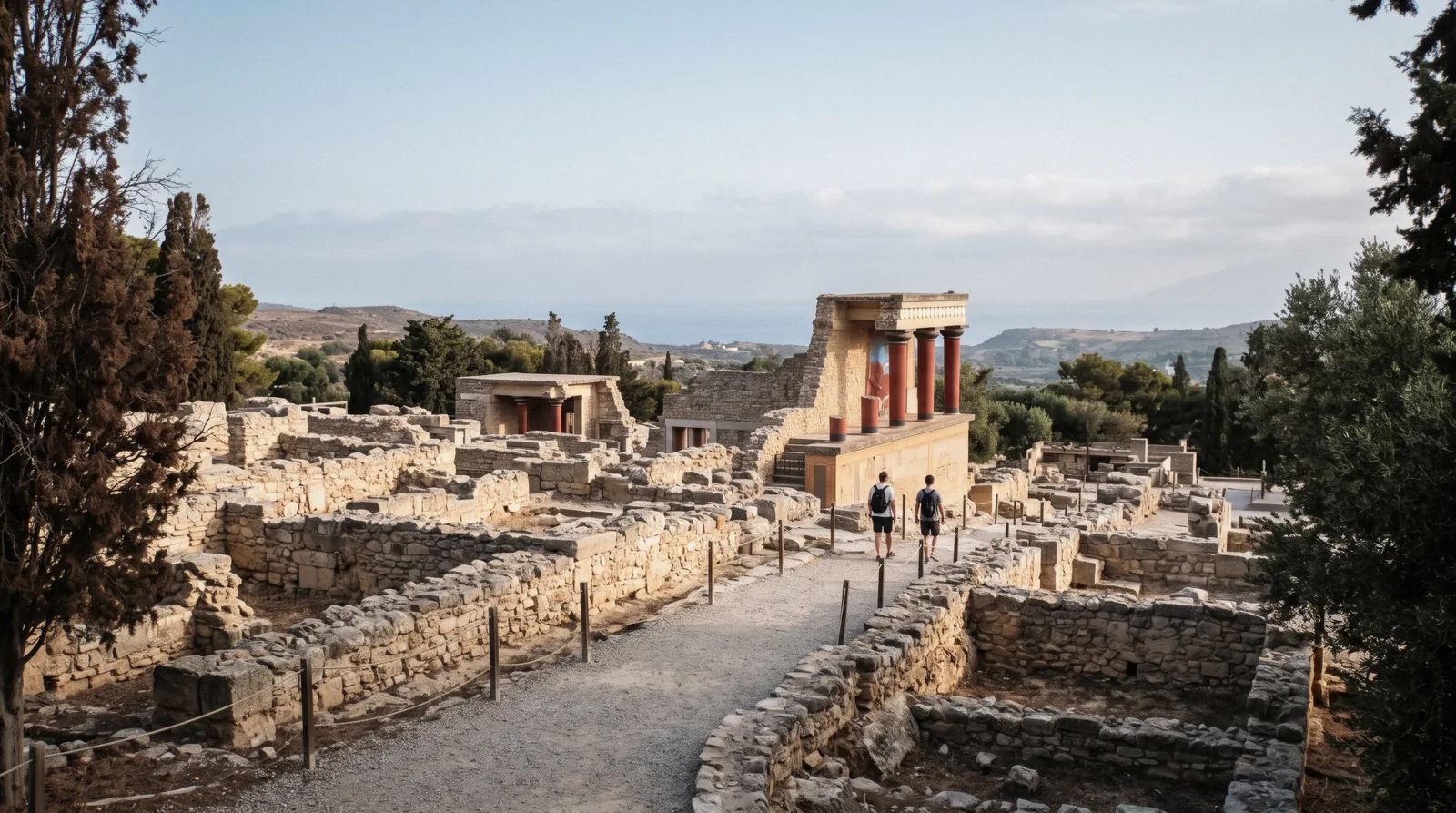
Things to do in Crete split into a few clear types once you set beaches, gorges and day trips aside, since those three already have their own hub pages on this site. What is left is nine attractions: Minoan and Roman ruins, Venetian and Ottoman fortresses and old towns, and one mountain cave tied to the Zeus myth. This page groups all nine with the fact that actually decides whether each one fits your day, part of our Crete, Greece travel guide. Every entry links to its own page for the full hours, access route and ticket comparison. If you came here looking for beaches, hiking trails or boat-based day trips, those live on Crete beaches, Crete hiking and day trips in Crete instead, so this page can stay focused on the built and historical sights.
Quick answer Nine attractions, grouped by type
The headline things to do in Crete split into three groups. Minoan and Roman ruins cover Knossos, Phaistos, Gortyn and the Heraklion Archaeological Museum, the collection that holds the objects the palaces themselves no longer have. Fortresses and old towns cover Spinalonga, Koules Fortress, Chania Old Town and Arkadi Monastery. The ninth, the Cave of Zeus on the Lasithi Plateau, stands alone as the island's one mythology-driven cave visit.
Key takeaways
- Short on time: Knossos and the Heraklion Archaeological Museum sit 5 km apart and pair into one half-day, a route a combined Knossos and museum e-ticket covers in one booking.
- Want history without a crowd: Gortyn and Arkadi Monastery both see a fraction of Knossos's visitor numbers for $11.23 (€10) and $4.49 (€4).
- Planning a fortress day: Spinalonga and Koules Fortress are both Venetian-built but centuries apart in story, covered side by side below.
- Beaches, gorges and boat trips are not on this page: see Crete beaches, Crete hiking and day trips in Crete.
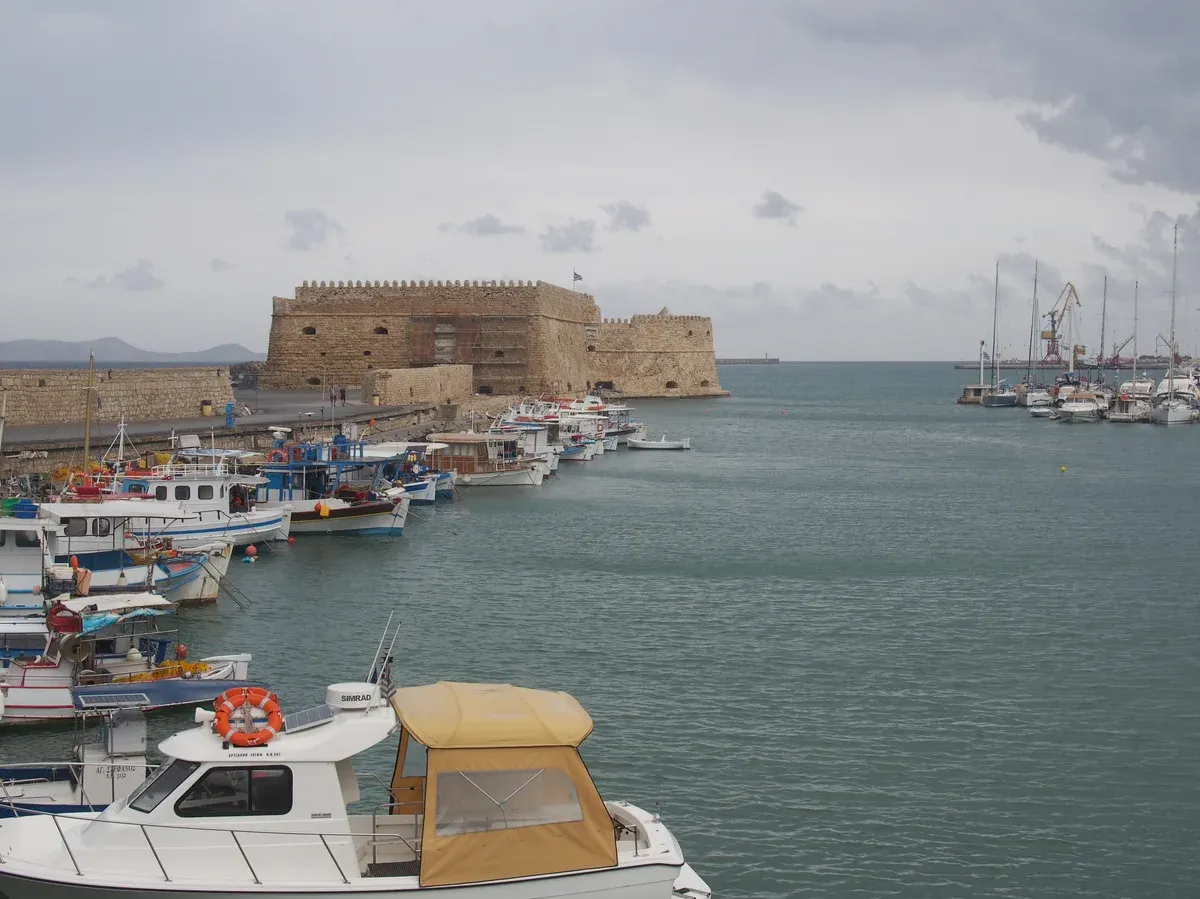
Photo: C messier, CC0, via Wikimedia Commons
Nine Attractions, Grouped by Type
GPS pins map every site relative to Heraklion and Chania. Each entry's tip is the one fact that decides whether it fits your day.
Minoan and Roman Ruins
-
Knossos
Largest excavated Minoan palace★ 4.1 (2,404) from $22.50 (€20)1.5-2.5 hoursbook-ahead tier 2 of 3
The source of the Minotaur and Labyrinth myth, about 5 km south of Heraklion, and Crete's single most visited site.
Tip: Ticket $22.50 (€20) full, $11.23 (€10) reduced, free on five Ministry dates a year including 18 April and 28 October.
-
Phaistos
Crete's second Minoan palace★ 4.6 (120) from $16.84 (€15)1-1.5 hoursbook-ahead tier 1 of 3
A hilltop Minoan palace in the Messara plain, a fraction of Knossos's visitor count and no reconstruction to second-guess.
Tip: Ticket $16.84 (€15) full, $8.98 (€8) reduced, on the same Ministry free days as Knossos.
-
Gortyn
Roman capital and the Gortyn law code★ 4.5 (60) from $11.23 (€10)1 hourbook-ahead tier 1 of 3
The Roman-era capital of Crete, holding the inscribed Gortyn law code, one of the oldest written legal texts in Europe.
Tip: Ticket $11.23 (€10) full, $5.61 (€5) reduced, usually paired with Phaistos on the same drive south.
-
Heraklion Archaeological Museum
The objects Knossos no longer holds★ 4.4 (504) from $22.50 (€20)1.5-2 hoursbook-ahead tier 2 of 3
The frescoes, the Phaistos Disc and the snake goddess figurines removed from Knossos and Crete's other Minoan sites for preservation.
Tip: Tickets are valid only for the booked day and time slot, a rule that does not apply at the open-air ruins.
Fortresses, Monasteries and Old Towns
-
Spinalonga
Fortress and former leper colony★ 4.4 (3,593) from $22.50 (€20)1.5-2 hours on the islandbook-ahead tier 2 of 3
A Venetian sea fortress that became Greece's last leper colony, 1903 to 1957, reached only by boat from Agios Nikolaos, Elounda or Plaka.
Tip: Island entry $22.50 (€20), paid at the gate, separate from whichever boat you book.
-
Koules Fortress
Heraklion's Venetian sea castle★ 4.5 (180) from $11.23 (€10)45 minutes-1 hourbook-ahead tier 1 of 3
Guards Heraklion's old harbour entrance, built by the Venetians and the backdrop to the city's 25-year Ottoman siege.
Tip: Closed Tuesdays; $11.23 (€10) full, $5.61 (€5) reduced.
-
Chania Old Town
Venetian harbour and lighthouse★ 4.8 (900) Free to walk2-3 hoursbook-ahead tier 1 of 3
Built on the ruins of Minoan Kydonia, ringed by Venetian walls and an Egyptian-built lighthouse at the harbour mouth.
Tip: Walking the harbour and lanes is free; the Archaeological Museum of Chania inside the old town charges $16.84 (€15) separately.
-
Arkadi Monastery
Crete's symbol of resistance★ 4.8 (310) from $4.49 (€4)45 minutes-1 hourbook-ahead tier 1 of 3
A 16th-century monastery where, in 1866, defenders chose to blow up their own powder store rather than surrender to an Ottoman siege.
Tip: $4.49 (€4) per person, free under 16, confirmed through the monastery's own online booking flow.
Caves and Mountain Plateaus
-
Cave of Zeus
The Dikteon Cave and the Lasithi Plateau★ 4.9 (1,231) from $16.84 (€15)45 minutes in the cave, a full day with the plateaubook-ahead tier 2 of 3
The cave myth names as the birthplace of Zeus, on the Lasithi Plateau ringed by stone windmills and mountain villages.
Tip: Closed Tuesdays; $16.84 (€15) full, $8.98 (€8) reduced, daily hours 10:30-17:30.
Numbers match the list — tap a pin for the guide.
Ministry Entry Fees, Side by Side
Seven of the nine attractions on this page are Ministry of Culture or municipal-run sites with a published entry fee; these figures come from odysseus.culture.gr and the monastery's own booking flow.
| Attraction | Full Price | Reduced Price | Closed Days |
|---|---|---|---|
| Knossos | $22.50 (€20) | $11.23 (€10) | 1 Jan, 25 Mar, 1 May, Easter Sunday, 25-26 Dec |
| Phaistos | $16.84 (€15) | $8.98 (€8) | Same as Knossos |
| Gortyn | $11.23 (€10) | $5.61 (€5) | Same as Knossos |
| Heraklion Archaeological Museum | $22.50 (€20) | $13.47 (€12), EU 65+, Nov-Mar | None stated beyond booked slot |
| Koules Fortress | $11.23 (€10) | $5.61 (€5) | Tuesdays, 25-26 Dec, 1 Jan, 25 Mar |
| Cave of Zeus | $16.84 (€15) | $8.98 (€8) | Tuesdays, 1 Jan, 25 Mar, 1 May, Easter Sunday |
| Spinalonga | $22.50 (€20) | $11.23 (€10) | Closed to individuals Nov-Mar |
All seven sites share the same five Ministry free days: 6 March, 18 April, 18 May, the last weekend of September and 28 October. Figures current for Q4 2026.
Book an Attraction
One card per attraction group on this page. Full ticket comparisons for Knossos, Spinalonga and the other ticketed pages live on their own pages.
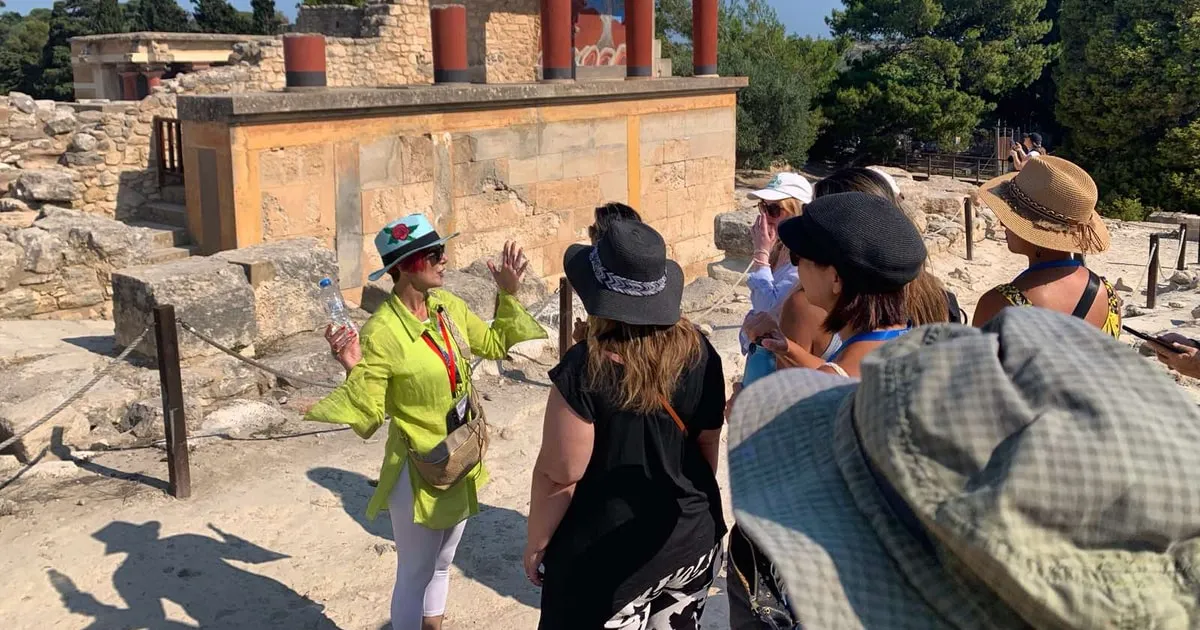 from $100.17
Knossos: Knossos Palace Skip-the-Line Guided Walking Tour
A 90-minute licensed-guide walk through the palace with the skip-the-line entry handled for you; the small-group format keeps the guide audible in the Throne Room queue.
Check Availability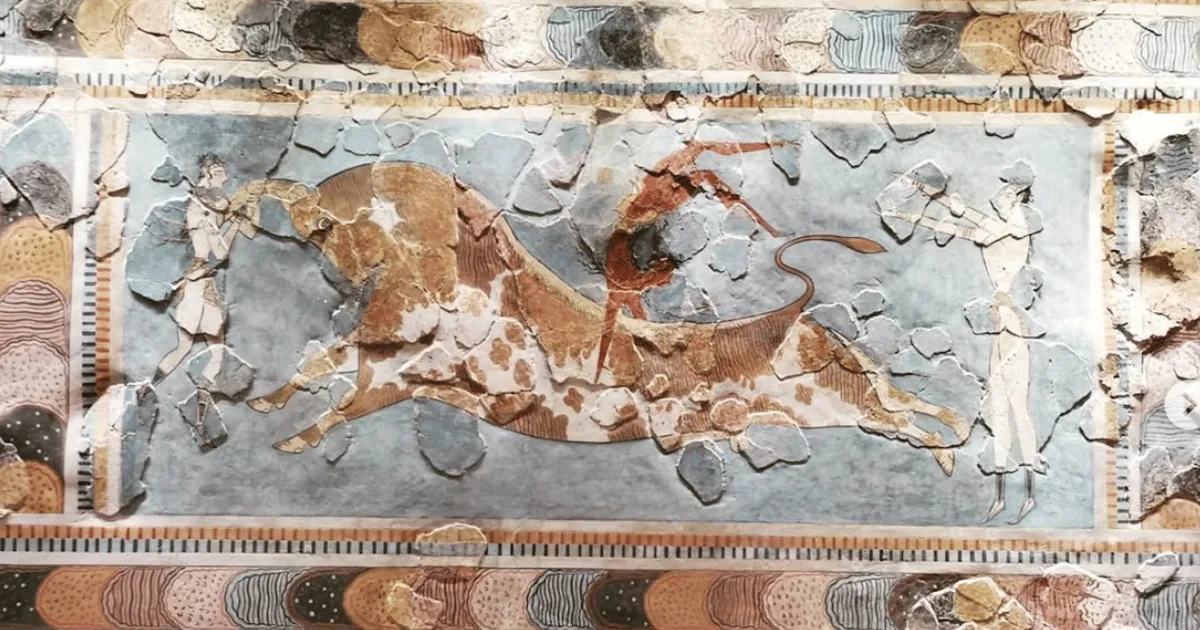 from $28.87
Heraklion Archaeological Museum Ticket & Audio Guide
Entry to the Heraklion Archaeological Museum with an audio guide app, the room-by-room route through the Minoan collection.
Check Availability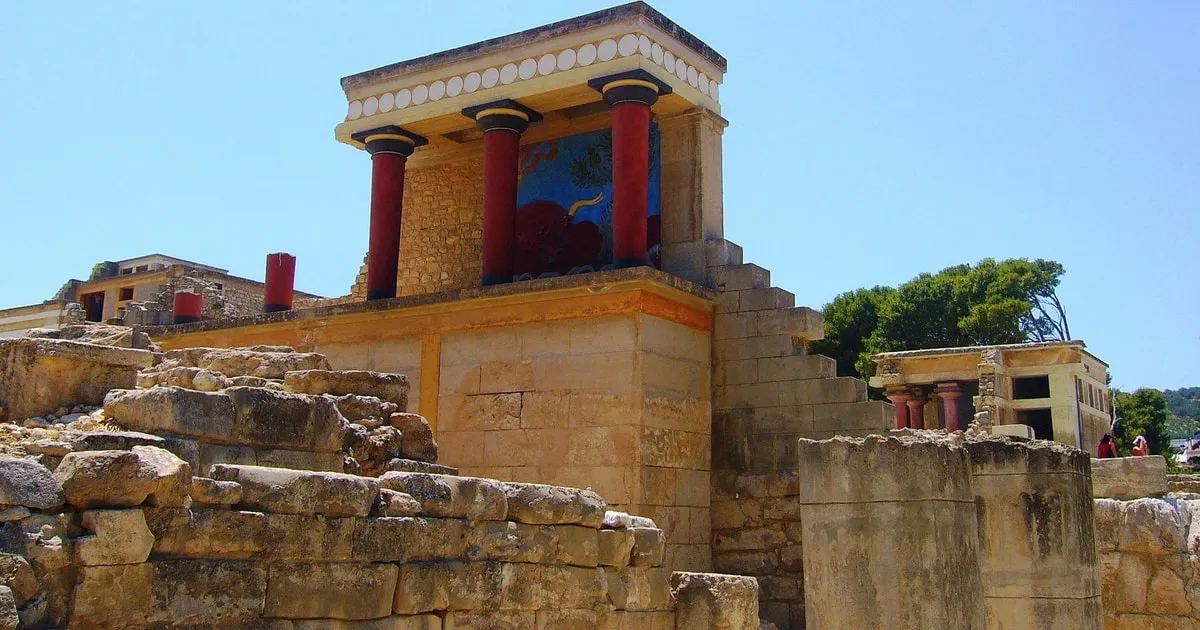 from $37.14
Knossos Palace & Heraklion Guided Tour
Knossos and Heraklion city with a guide, coach from the Agios Nikolaos and Elounda side.
Check Availability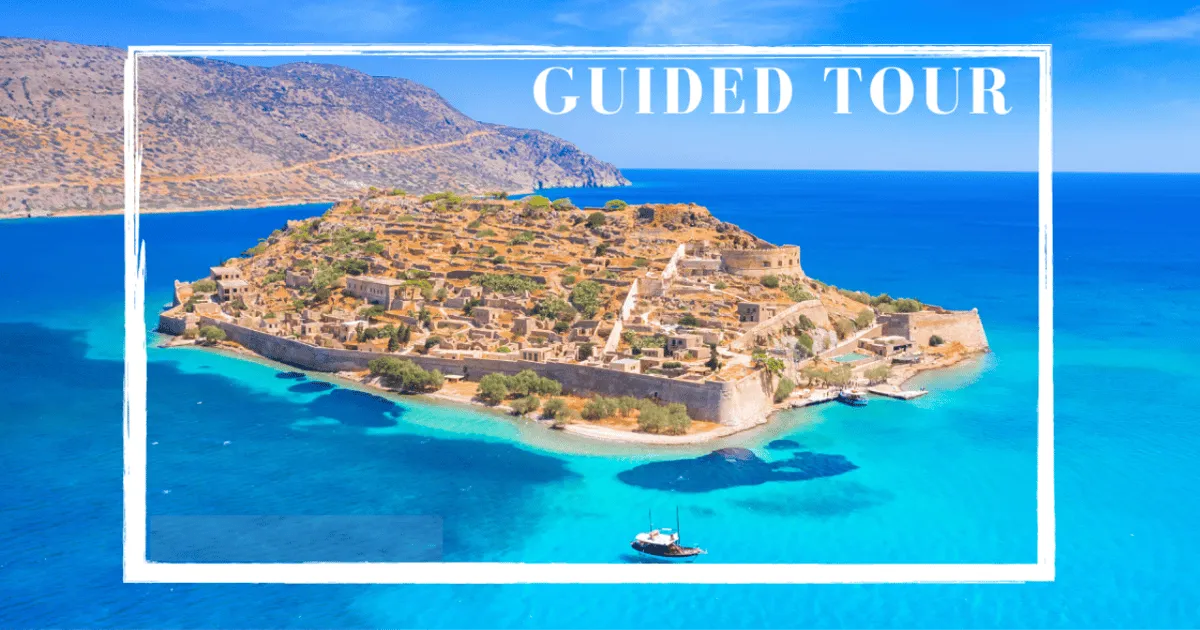 from $28.14
Agios Nikolaos: Boat Trip to Spinalonga with Swim Stop
The boat from Agios Nikolaos to Spinalonga with a swim stop; the island entry ticket is bought separately at the gate.
Check Availability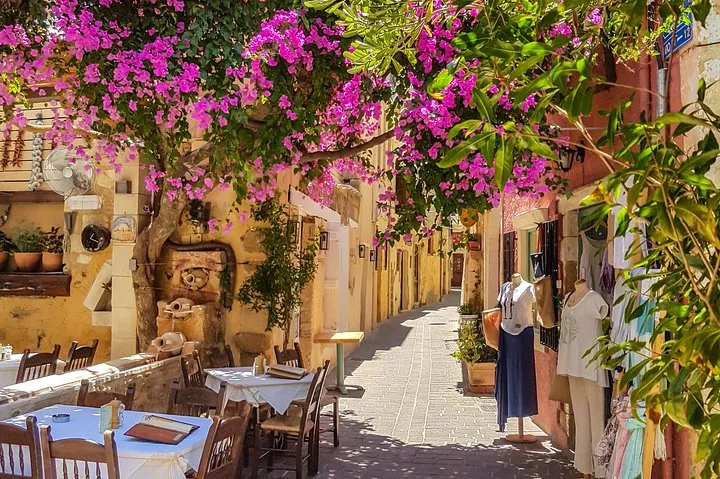 from $108.94
Explore Chania's Old Town through the eyes of a local
A local-led walk through the lanes of Chania old town behind the Venetian harbour.
Check Availability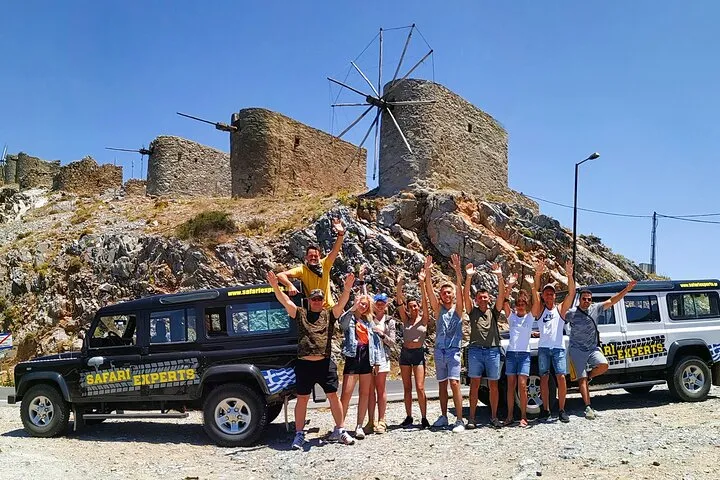 from $102.06
Full-Day Small-Group Tour in Crete with Zeus Cave Visit
A small-group day to the Cave of Zeus and the Lasithi Plateau from the Heraklion resorts.
Check AvailabilityPrices, ratings and details are the platform's own. dollar figures are the listed prices — the platform bills in your account's currency.
Minoan and Roman Ruins: Which to Choose
Knossos, Phaistos, Gortyn and the Heraklion museum tell one connected story, but they are not interchangeable stops.
Knossos for the Scale and the Myth
Knossos is the largest excavated Minoan palace on the island and the source of the Minotaur and Labyrinth story, which is also why it draws the biggest crowds. Go at opening or in the two hours before closing to see the throne room and the restored frescoes without a queue at every doorway.
Phaistos and Gortyn for Ruins Without the Reconstruction
Phaistos holds Crete's second Minoan palace, on a hilltop in the Messara plain with views that Knossos's lower site cannot match, and sees a fraction of the visitor numbers. Gortyn, a short drive further, is a different era entirely: the Roman-era capital of Crete, where the inscribed Gortyn law code sits under a modern shelter as one of the oldest written legal texts in Europe.
The Museum for What the Palaces No Longer Hold
The frescoes, the Phaistos Disc and the faience snake goddess figurines were all removed from the original sites for preservation and now sit in the Heraklion Archaeological Museum. Visiting the museum before or after Knossos fills in the objects the ruins themselves cannot show, and a combined Knossos and museum e-ticket books both in one pass.
Fortresses and Old Towns: Four Different Centuries
Spinalonga, Koules, Chania Old Town and Arkadi Monastery are all Venetian-era in origin, but each one's real story belongs to a different century.
Spinalonga's Twentieth-Century Story
Built as a Venetian sea fortress, Spinalonga's defining chapter came centuries later: from 1903 to 1957 it operated as Greece's last leper colony, and that history, not the fortress walls, is what most visitors come to see. The island is reached only by boat, never a bridge or causeway.
Koules and the Ottoman Siege
Koules Fortress guards Heraklion's old harbour entrance and watched the city's Venetian walls withstand a 25-year Ottoman siege, the longest in the city's history. It closes Tuesdays, a detail Spinalonga and the open-air Minoan sites do not share.
Chania's Old Town Needs No Ticket
Walking Chania's Venetian harbour, dry docks and Egyptian-built lighthouse costs nothing, which makes it the one entry on this page with no entry fee to plan around. The Archaeological Museum of Chania inside the old town is the exception, charging $16.84 (€15) separately for anyone who wants to go indoors.
Arkadi and a Single Day in 1866
Arkadi Monastery's current buildings date to the 16th century, but the site's meaning comes from one day in 1866, when defenders under siege chose to blow up their own powder store rather than surrender, an event still marked as a symbol of Cretan resistance. At $4.49 (€4) a person, it is the cheapest ticketed stop on this page.
The Cave of Zeus Stands Alone
Nothing else on this page combines a myth, a cave and a mountain plateau the way the ninth attraction does.
The Dikteon Cave on the Lasithi Plateau is the site the Zeus birth myth names directly, a draw that has nothing to do with Minoan archaeology or Venetian military history. The cave itself takes under an hour, but the surrounding Lasithi Plateau, ringed by stone windmills and mountain villages, is worth the rest of the day if you have made the drive out this far. It closes Tuesdays, like Koules Fortress, and charges $16.84 (€15) full price at the gate.
Beaches, Hikes and Day Trips Live on Their Own Hubs
This page deliberately leaves out three whole categories of Crete sightseeing, each with more depth than a shared list could give it.
Crete beaches covers Balos, Elafonisi, Vai and the island's other named coastline with Blue Flag status and access routes for each. Crete hiking covers Samaria and Imbros gorges, including the fitness and timing questions a short attraction listing cannot answer properly. Day trips in Crete groups the boat-only islands, Chrissi and Dia, plus the one trip that leaves Crete entirely for a day in Santorini. Splitting these out keeps each hub focused enough to actually answer the planning questions that matter for its category.
Booking Ahead vs Walking Up
Not every attraction on this page needs the same advance planning.
Knossos, the Heraklion museum, Spinalonga and the Cave of Zeus all carry our middle book-ahead rating: a day or two ahead in peak season avoids a sold-out time slot, especially at the museum, where tickets are locked to a specific day and hour. Phaistos, Gortyn, Koules Fortress, Chania Old Town and Arkadi Monastery are all realistically walk-up sites outside the busiest August weeks, since none of them sells timed-entry tickets the way the museum does.
Plan the Rest of Your Trip
Three hubs that connect to this one.
Crete Beaches
Every named beach on the island, including Balos, Elafonisi and Vai, with Blue Flag status and how to get there.
Island-wide Check info & availabilityCrete Tickets
Every entry fee on this page, plus Samaria Gorge and the Balos boat, compared in one place.
Island-wide Check info & availabilityCrete Travel Tips
Getting around, costs, weather and the rest of the practical planning that sits around these nine attractions.
Island-wide Check info & availabilityThings to Do in Crete: Questions
What should I not miss in Crete?
Among the nine attractions on this page, Knossos and Spinalonga are the two names most visitors already know, for the Minotaur myth and the leper-colony history respectively. If your time is short, those two plus a walk through Chania Old Town cover the widest spread of what Crete's built heritage actually offers.
What to be careful of in Crete?
Heat is the practical risk at the open-air Minoan sites: Knossos, Phaistos and Gortyn offer little shade at midday in July and August, and Knossos itself has closed for a few hours at midday on the hottest days. Carry water and start early rather than at noon.
What is the main attraction in Crete?
Knossos is Crete's single most visited site and the one most people mean by "the main attraction," drawing over a million visitors a year as the largest excavated Minoan palace on the island.
What is Crete best known for?
Crete is best known for the Minoan civilisation centred at Knossos, for its Venetian-built harbour towns and fortresses like Chania and Koules, and separately for its beaches and mountain gorges, covered on their own hub pages.
What are good things to do in Crete for couples?
A walk through Chania Old Town at golden hour costs nothing and pairs well with dinner by the harbour. For a half-day out, Spinalonga by boat or the Cave of Zeus and Lasithi Plateau both combine a sight with a scenic drive or crossing.
What things to do in Crete suit a family with kids?
Koules Fortress and Chania Old Town are both short, flat and free or cheap to enter, which suits younger children better than a full Knossos circuit in midday heat. Crete with kids covers family logistics for the rest of the island in more depth.
Do I need to book Crete attractions ahead of time?
For Knossos, the Heraklion museum, Spinalonga and the Cave of Zeus, a day or two ahead in peak season is sensible, covered above in booking ahead vs walking up. The remaining five sites on this page are realistically walk-up outside the busiest weeks of August.
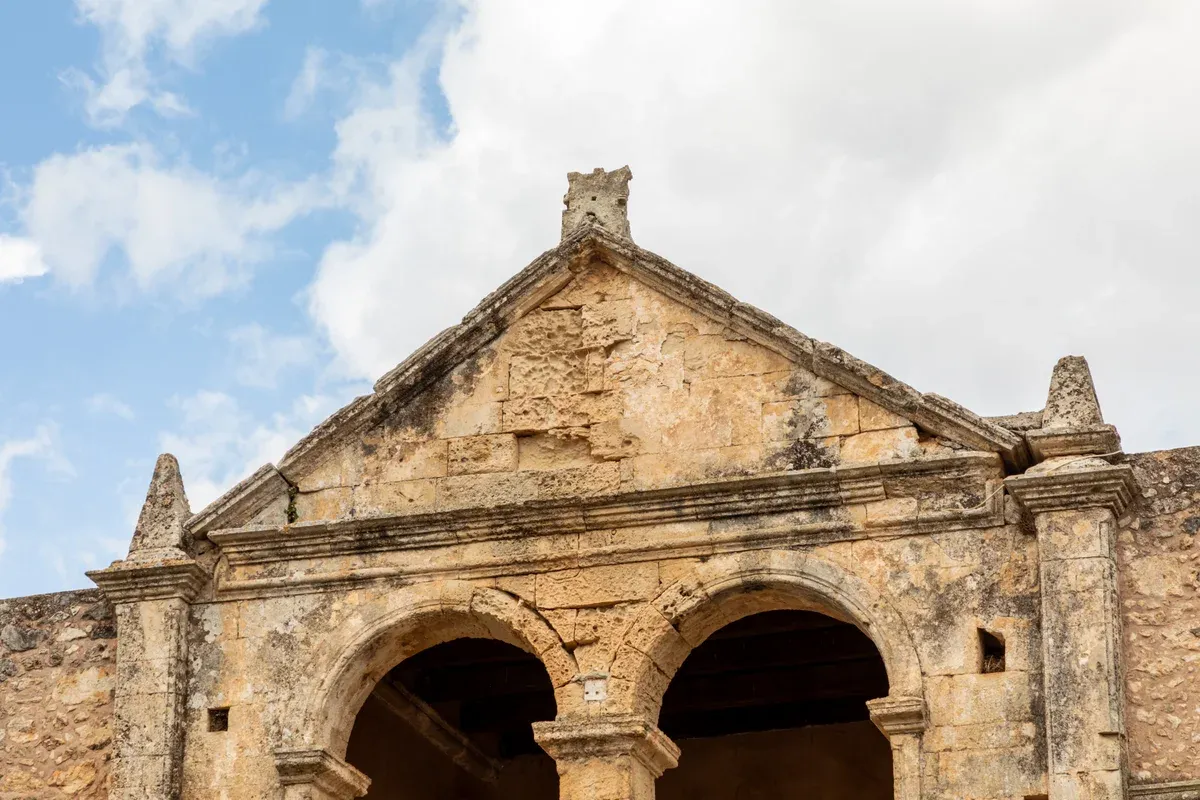
Photo: Dietmar Rabich, CC BY-SA 4.0, via Wikimedia Commons
Things to Do in Crete on Video
Top 10 Places To Visit in Crete - Greece Travel Guide
A broad overview covering several of the attractions grouped on this page.
Video: Ryan ShirleyTop 10 Things to Do in Crete | Greece Travel Guide
A rundown of Crete's headline sights, useful for picking which attractions to prioritise.
Video: Your Global InsiderCrete, Greece Travel Guide: 10 Best Things to Do
A 2026 look at Crete's top sights, including several of this page's nine attractions.
Video: Experience Luxury TravelWe may earn a commission if you book through one of our links, at no extra cost to you. Full affiliate disclosure